Custom Homes on Cape Cod: What to Expect When Building by the Coast
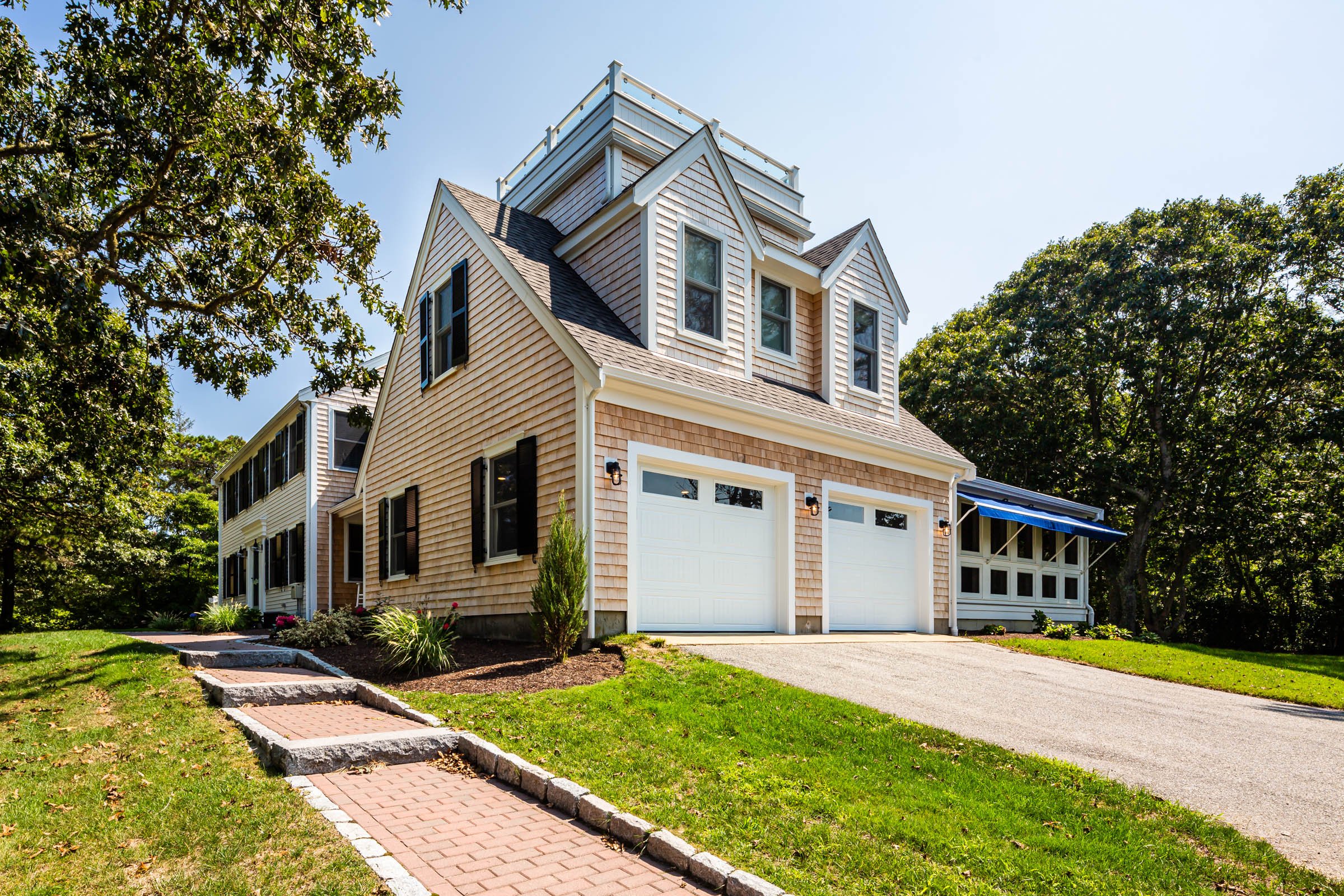
If you are dreaming about a tailor-made home on Cape Cod, one of the first questions is always the same: What does it cost to build a custom home here? The answer depends on a wide range of factors, from square footage and design complexity to material choices, site conditions, and the level of craftsmanship you expect. Understanding these variables will help you plan with confidence and make informed decisions throughout your project.
Below is a breakdown of what goes into the cost of a custom home on Cape Cod, how the region compares to other parts of the country, and what homeowners should know before building on the coast.
What Contributes to the Average Cost of a Custom Home on Cape Cod?
The cost of a custom home on Cape Cod depends on specifications, finishes, and the level of customization. Highly detailed architectural builds with coastal-grade materials, premium craftsmanship, and complex engineering needs may exceed an average range.
What Goes Into the Price of a Custom Home?
A custom home is a collection of many moving parts. The most influential cost factors include:
Square Footage
Square footage is one of the clearest cost indicators. Larger homes require more materials, longer build times, and more labor, which increases the total project cost. That said, larger footprints can lower the cost per square foot because fixed costs are spread out over more space.
Number of Stories, Attics, and Basements
Multi-level homes require more engineering, stair systems, and structural framing. Finished attics and basements also add cost since these spaces often include insulation upgrades, egress needs, and mechanical requirements to meet code.
Architectural Complexity
Coastal homes on Cape Cod often include features such as custom trim details, elevated decks, intricate rooflines, and high-performance windows. Each added detail influences the total cost.
Interior Finishes
Items like custom millwork, tile selections, countertop materials, built-in cabinetry, and appliance packages all move the final number. High-end finishes add significant value, but they also increase the budget.
What Are the Most Expensive Parts of Building a Home?
Some of the highest cost areas in a custom home include the structural components and mechanical systems that support the entire build. Framing is one of the biggest investments because coastal building codes on Cape Cod require stronger materials and engineering for wind, moisture, and long-term durability. Mechanical systems, such as electrical, plumbing, and HVAC, also carry a significant portion of the budget due to skilled labor requirements, code compliance, and the complexity of routing systems throughout the home.
Exterior elements and finish details can also contribute heavily to the final cost. High-performance windows, rot-resistant siding, and coastal-grade materials are essential on Cape Cod and often cost more than standard inland options. Custom millwork, including built-in cabinetry, detailed trim, and architectural woodwork, adds both beauty and craftsmanship, but also requires specialized labor and longer production timelines.
What Are the Less Expensive Parts of Building a Home?
There are areas of a custom home that typically fall on the lower end of the budget. Interior painting is often one of the most affordable components, especially when compared to millwork or tile installations. Many homeowners also find that certain flooring options, such as engineered hardwood or vinyl plank, provide a high-end look without the higher cost of premium hardwood species.
Basic landscaping is another category that tends to be more affordable during the initial build. Tasks like grading, seeding, and simple plantings usually cost far less than full landscape design or hardscaping, which many homeowners choose to complete in later phases. While these areas still require planning and attention, they do not carry the same financial weight as the structural, mechanical, or exterior elements of the home.
What Makes Building on Cape Cod Different?
Building a custom home on Cape Cod comes with unique considerations that influence both cost and process. The coastal environment, local regulations, seasonal weather, and the level of craftsmanship expected in the region all shape the overall investment and timeline.
Coastal Materials and Construction Standards
Homes built near the shoreline must withstand salt air, strong winds, moisture, and temperature shifts. This often requires high-performance windows, rot-resistant materials such as cedar, PVC, or composite trim, coastal-rated hardware and fixtures, and advanced flashing and waterproofing systems. These upgrades are essential for long-term durability in a coastal climate and typically cost more than the materials used in non-coastal builds.
Site Conditions
Many Cape Cod homes sit on lots that require additional care and preparation. Some properties have limited access for equipment, which can extend construction timelines. Others involve septic system considerations, conservation restrictions, or flood zone requirements that influence engineering plans and permitting. These conditions add complexity to the project and can impact overall budget and scheduling.
Building Your Cape Cod Home With Confidence
Building a custom home on Cape Cod is an investment in quality, longevity, and a lifestyle rooted in coastal living. While the cost of a custom home on Cape Cod varies based on design choices, site conditions, materials, and craftsmanship, understanding these factors helps homeowners plan with clarity and confidence. At Fitzgerald Custom Homes, we guide you through every step of the process so your home is tailored to your vision, built to withstand coastal conditions, and designed to serve your family for generations. Whether you are just beginning your budgeting process or ready to break ground, our team provides the careful planning and expert craftsmanship needed to bring your custom Cape Cod home to life.