10 Common Mistakes When Building a Custom Home on Cape Cod
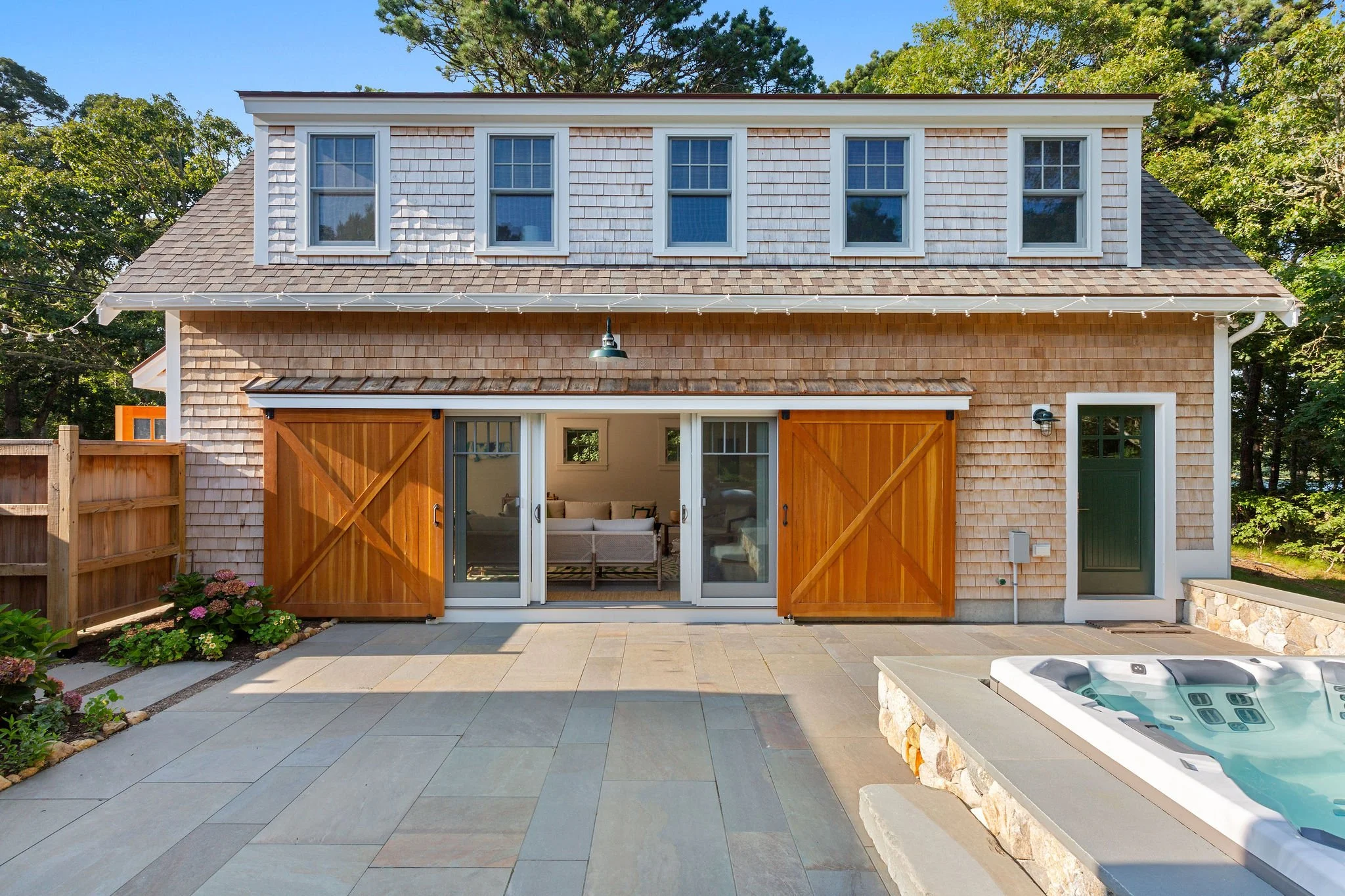
Building a custom home on Cape Cod is an incredible opportunity to create a space that reflects your lifestyle, priorities, and long-term vision. But even well-prepared homeowners can make avoidable mistakes that impact budget, timeline, and overall experience.
After decades of building custom homes on the Cape, here are ten of the most common mistakes we see and how to avoid them.
1. Underestimating the Timeline
Many homeowners assume construction is the longest phase of the project. In reality, design, engineering, and permitting often take just as long.
From architectural plans to Conservation Commission approvals, the pre-construction process can span several months. If you have not already, review our guide on How Long It Takes to Build a Home on Cape Cod to better understand realistic expectations.
Planning at least 12 months ahead of your desired move-in date is a smart approach.
2. Purchasing Land Without Due Diligence
Not all lots are immediately buildable. Wetlands, flood zones, conservation buffers, and zoning restrictions can significantly affect what you are allowed to build.
Before purchasing land, confirm:
Zoning setbacks and lot coverage limits
Septic feasibility and bedroom count
Historic district restrictions
Access to utilities
Building on Cape Cod land requires a thorough understanding of town-specific regulations.
3. Designing Before Selecting a Builder
One of the biggest mistakes homeowners make is completing architectural plans before engaging a builder. While the design may look perfect on paper, it may not align with your intended budget.
Involving your builder early allows for:
Real-time pricing feedback
Value engineering where needed
Feasibility insights
Budget alignment before final drawings
At Fitzgerald Custom Homes, our process emphasizes early collaboration to avoid costly redesigns later.
4. Overlooking Septic Constraints
On Cape Cod, septic systems directly impact your home’s layout and bedroom count. Soil conditions, lot size, and Board of Health regulations all play a role.
Failing to coordinate septic design with your architectural plans can lead to revisions and delays. Always confirm system requirements early in the design phase.
5. Ignoring Site Conditions
Two similarly sized homes can have dramatically different construction costs depending on the lot.
The following factors all influence site work expenses:
Tree clearing
Ledge or unstable soil
Elevation changes
Coastal exposure
Access limitations
A thorough site evaluation before finalizing plans can prevent budget surprises.
6. Making Too Many Mid-Project Changes
Custom homes allow for flexibility, but frequent change orders can add both time and cost.
The more decisions that are finalized during the design and planning stage, the smoother construction will be. This is especially important for finishes, cabinetry, windows, and specialty items with longer lead times.
7. Focusing Only on Aesthetics
It is easy to prioritize finishes and design features. However, long-term performance matters just as much, especially in a coastal environment.
High-quality materials, weather-resistant building techniques, and energy-efficient systems are essential for durability. When reviewing our Custom Homes Portfolio, you will see that craftsmanship and longevity are just as important as visual appeal.
8. Choosing Based on Price Alone
The lowest bid is rarely the best value. An unusually low estimate may not account for realistic allowances, site conditions, or permitting requirements.
Look for:
Transparent communication
Detailed scopes of work
A defined project management process
A track record of on-time delivery
Building a custom home is a significant investment. Experience and process matter.
9. Not Understanding the Permitting Process
Each Cape Cod town operates differently. Depending on your lot and design, you may need approvals from:
Conservation Commission
Zoning Board of Appeals
Board of Health
Historic District Commission
If you are unfamiliar with the process, review our blog on Navigating the Permitting Process on Cape Cod to understand what to expect. Delays often occur not because of mistakes, but because homeowners underestimate how long public review boards can take.
10. Failing to Plan for the Long Term
Your custom home should reflect not just how you live today, but how you plan to live in five, ten, or twenty years.
Consider:
Aging-in-place features
Flexible living spaces
Energy efficiency
Storage needs
Outdoor living areas
Whether you are building a year-round residence or seasonal retreat, thoughtful planning enhances long-term value.
Build Smart From the Start
Building a custom home on Cape Cod should be an exciting and rewarding experience, not a stressful one. Most common mistakes can be avoided with early planning, clear communication, and a process-driven approach.
At Fitzgerald Custom Homes, we combine deep local knowledge with a structured building process to guide you from concept through completion. If you are considering building, the best first step is a conversation.